









The Script of the Loom
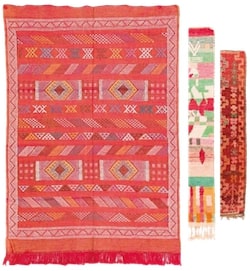
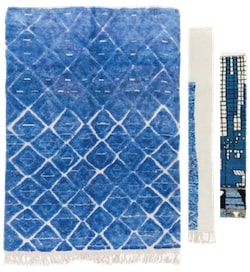
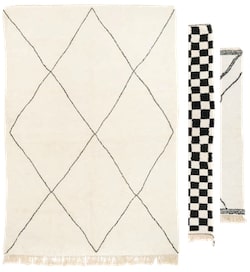
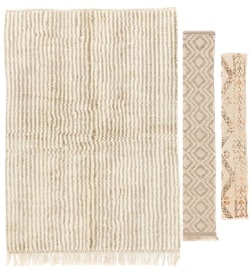
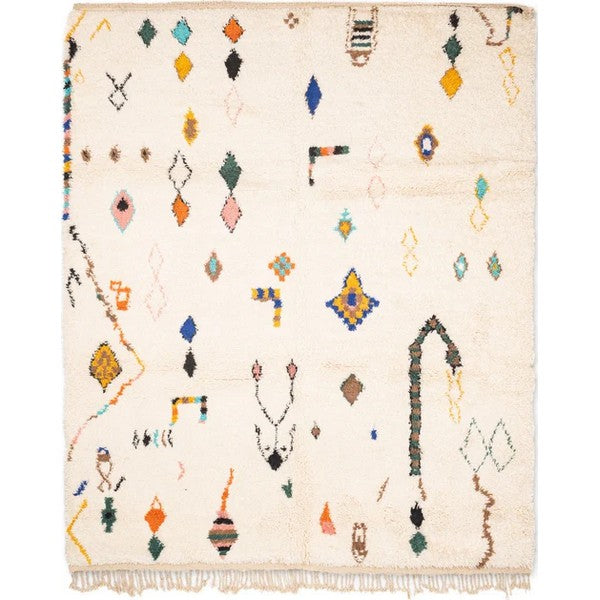
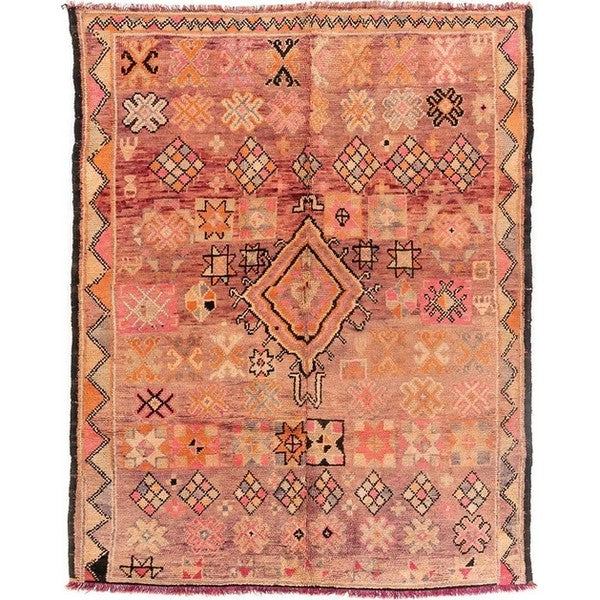
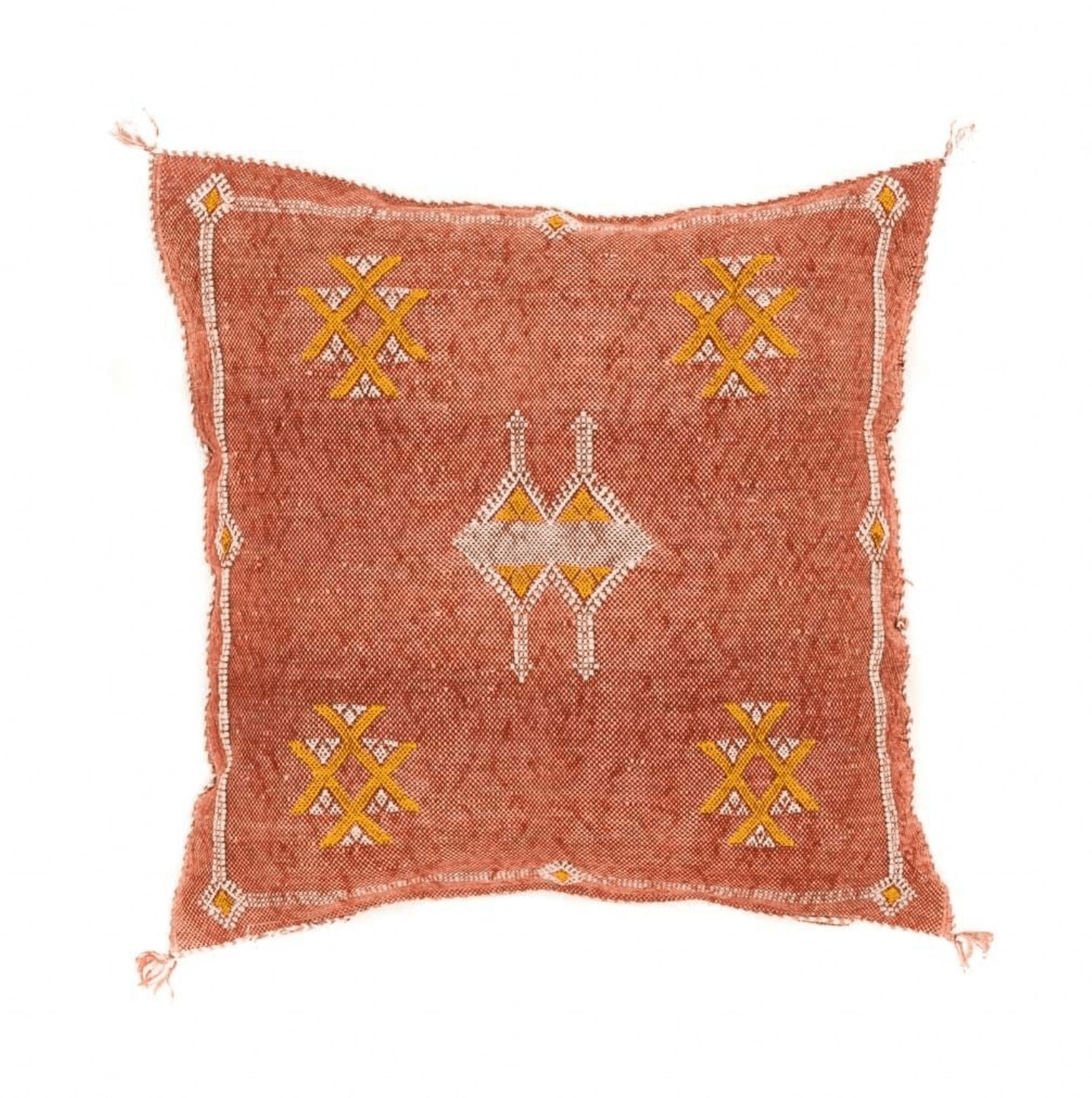
Amazigh symbols are the 'loom-script' of the Atlas, a silent language used by weavers for centuries to record tribal history. These motifs represent more than art, they are intentions of protection, fertility, and harmony woven into every knot.
Themes: Protection, Nature, Fertility, Journey, and Identity.
Dialect: Meanings vary by region, tribe, and the individual weaver’s story."
Before exploring the symbols below, remember that Amazigh weaving is an intuitive art, not a rigid dictionary. A motif may signify protection in one valley and fertility in the next.
The weaver interprets these ancient forms through her own intuition and life experience. We invite you to read these definitions as poetic guideposts rather than absolute rules, let the rug speak to you in its own way.

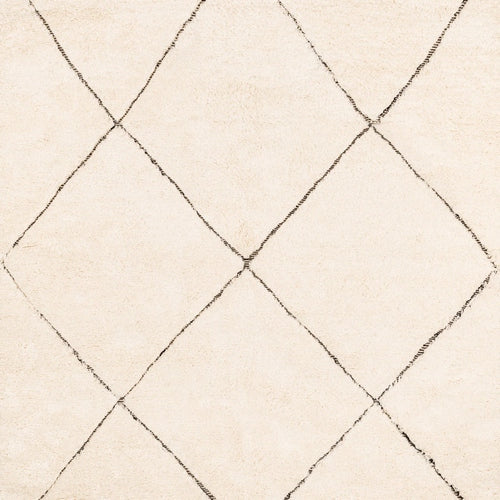
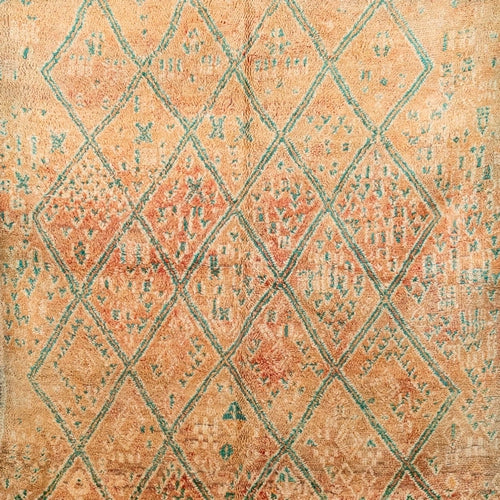
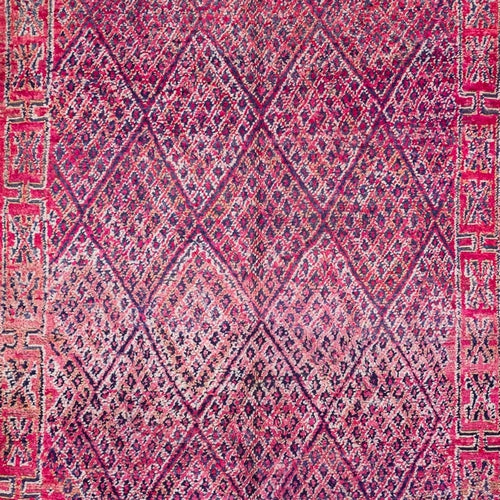
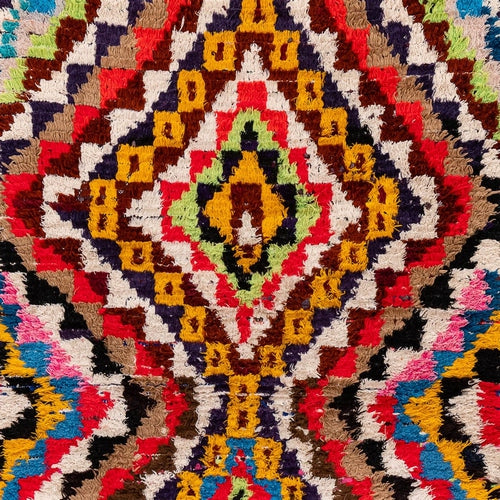
The Diamond:
This symbol represents womanhood as a balance of opposing forces, moving beyond simple labels.
It is a tribute to the strength and complexity of women, portraying them as a powerful blend of diverse traits rather than a single identity.
Ultimately, it celebrates the richness that comes from uniting different parts of ourselves.

The Eye:
Designed to repel the 'evil eye,' this symbol acts as a spiritual shield against negativity.
It guards against hidden threats by maintaining a constant, protective watch over both people and their surroundings

The Star:
The eight-pointed star is a symbol used to catch ghosts.
It is a powerful charm that acts like a net, trapping the mysterious spirits that hide in the shadows of the world around us.

The Lion’s Paw:
This symbol stands for strength and safety.
It acts like a powerful guard that never gives up, representing the toughness people need to get through hard times and the courage to protect what matters.

The Aries:
This symbol stands for strength, health, and being generous. it shows the powerful energy people have to stay strong during hard times and live life fully.
It celebrates both physical power and the many blessings that life provides.

The Partridge Eyes:
This symbol represents beauty in all its forms.
It shows that beauty is both on the inside and the outside, and it asks us to look closely at how beauty can grow and change.
It celebrates the idea that beauty is more than just what we see at first glance.

The Womb:
As a symbol of fertility, the womb represents the sacred power of creation and the life-giving energy of the feminine.
It invites us to reflect on how birth, growth, and renewal link the human experience to the natural rhythms of the world

The Lozenge:
The lozenge stands as a primary symbol of womanhood and fertility, mirroring the natural cycles of life.
It honors the transformative journey of women, celebrating their inherent resilience, strength, and nurturing power.

The Barley:
A profound emblem of fertility, this symbol captures the core of life’s regenerative power.
It springs from the foundation of creation, carrying the promise of growth, prosperity, and the continuity of existence.
Ultimately, it serves as a meditation on creativity and the infinite, thriving rhythms of the natural world.

The Cross:
Two intersecting lines can represent the meeting of two paths or the balance of opposites (male and female).
It is a symbol of harmony and structure, often used to close a sequence of patterns or to signify a completed cycle.


- Choosing a selection results in a full page refresh.































 Free shipping on orders over $100